


loading
.
.
.
loading
.
.
.



algorithm
fatigue
2026 creator report on breaking through the endless scroll
Welcome! We’re glad you’re here.
We built these insights just for you, so settle in and leave the endless scroll behind — at least for a little while.
over halfof creators have considered quitting this year.
Everyone is exhausted by The Endless Scroll. More people are choosing passive consumption over active engagement with their screen.
We can’t promise to have ALL of the answers*, but we did the work, so you don’t have to.
Here’s our data-backed guide to breaking through the apathy into the inbox — and beyond.
the business of being
a creator
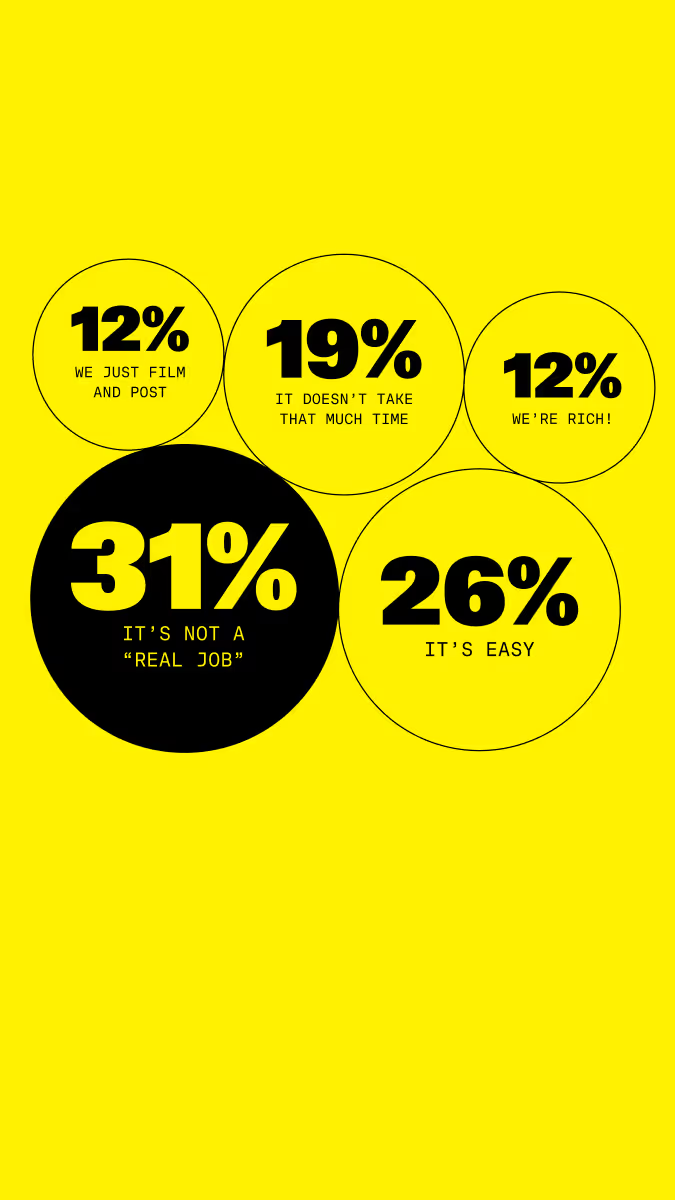
What do you think is still the most misunderstood part of being a creator?
% of total answers
The stigma persists...
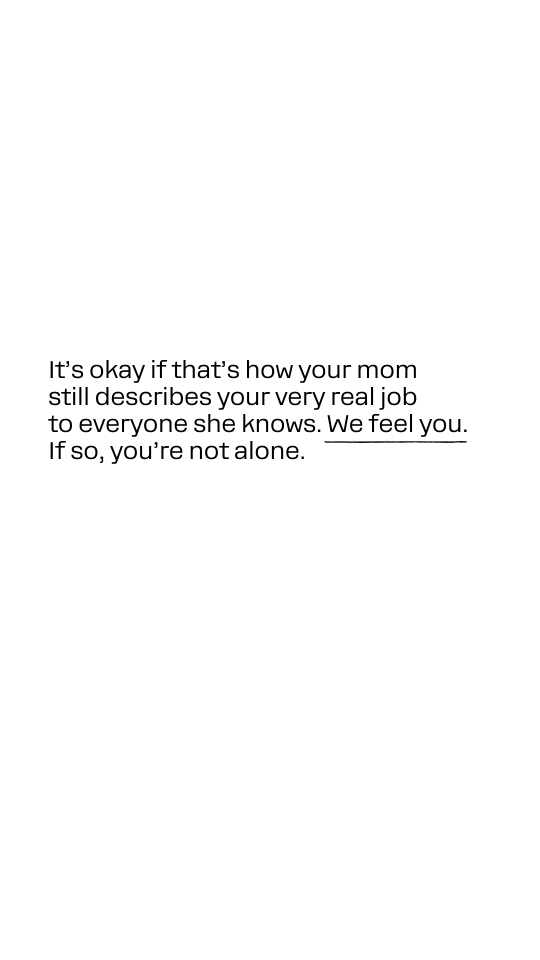
31% of creators feel people still see content creation
as “not a real job”.
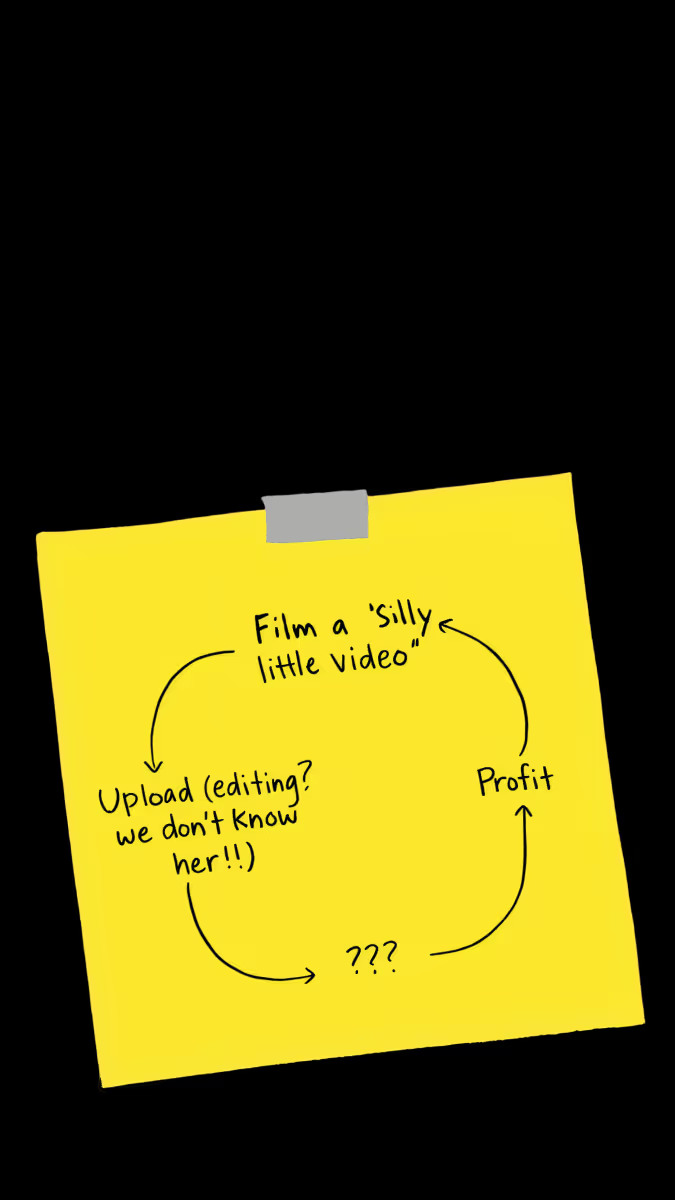
we know the stereotypical idea of a creator’s job is:
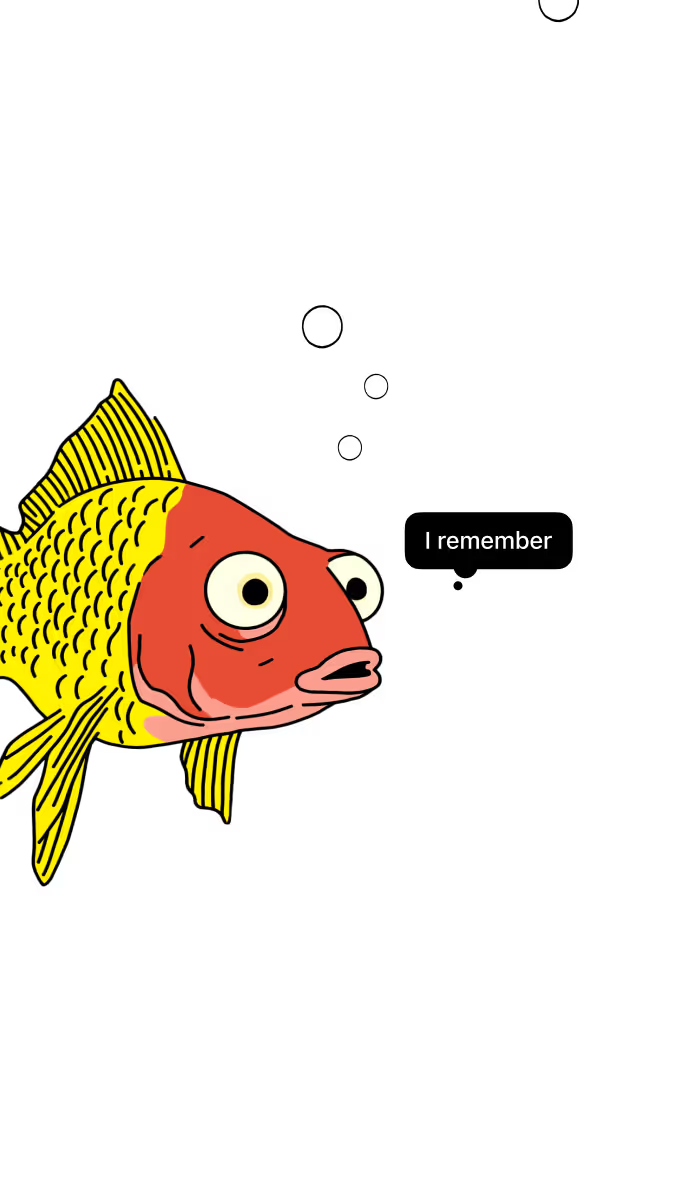
we also know that is not the reality.
But like a goldfish’s memory, the myth persists (sorry if that made you feel bad about the one you had as a kid).
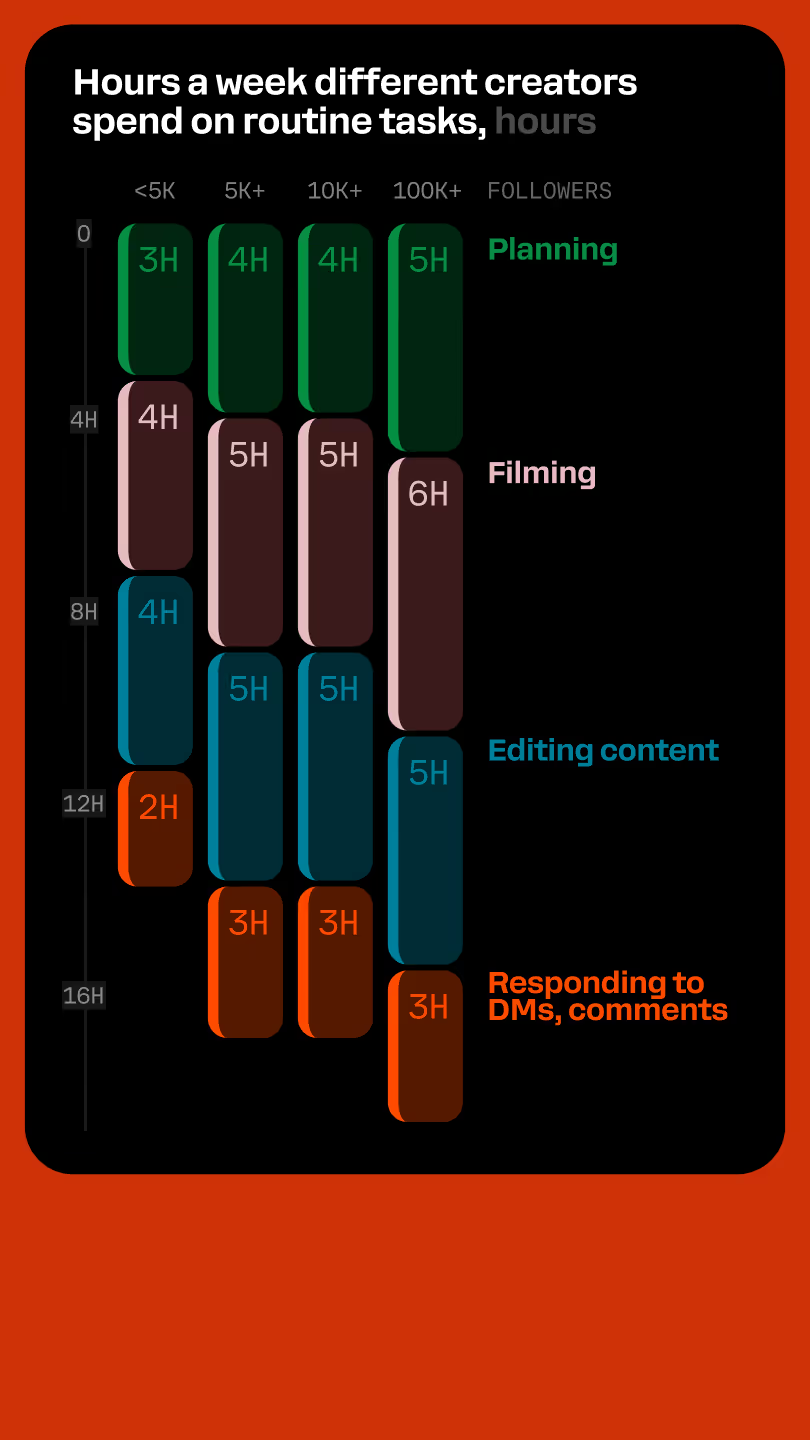
On average, creators spend nearly 20 hours a week planning, filming, and yes, editing content — on top of the time it takes to respond to comments and DMs.
On average, creators dedicate almost half
a traditional workweek solely
to creating and editing content, before even factoring in admin or other work.
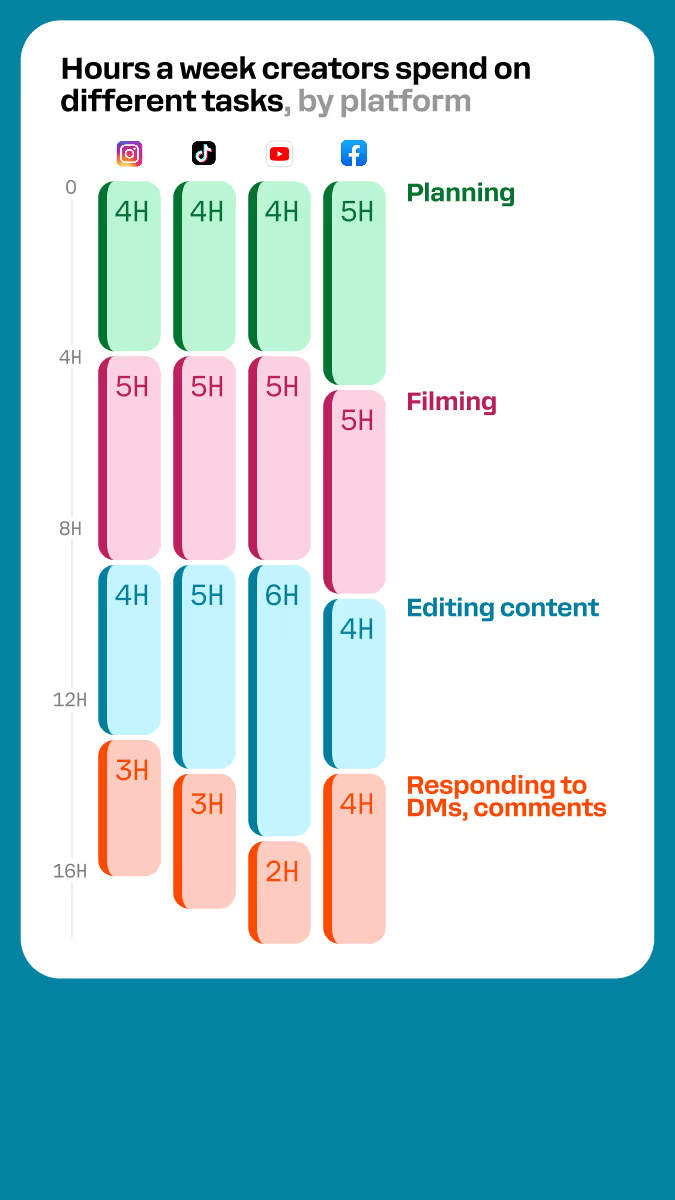
(We’re not mathematicians, but this does seem to add up to “real job” numbers when you factor in other admin work.)
Only 1 in 10 creators see themselves as a business. 50% feel like they are just a person who posts content, 36% as a brand.
Do you see yourself as a brand, a business, or just a person who posts?
% of all respondents
okay. now
the part everyone wants: can
I make money?
For some creators — yes.
For most? It can be a struggle.
The grind wears you down and opportunities get lost in your DMs.
Don't quit
your day job
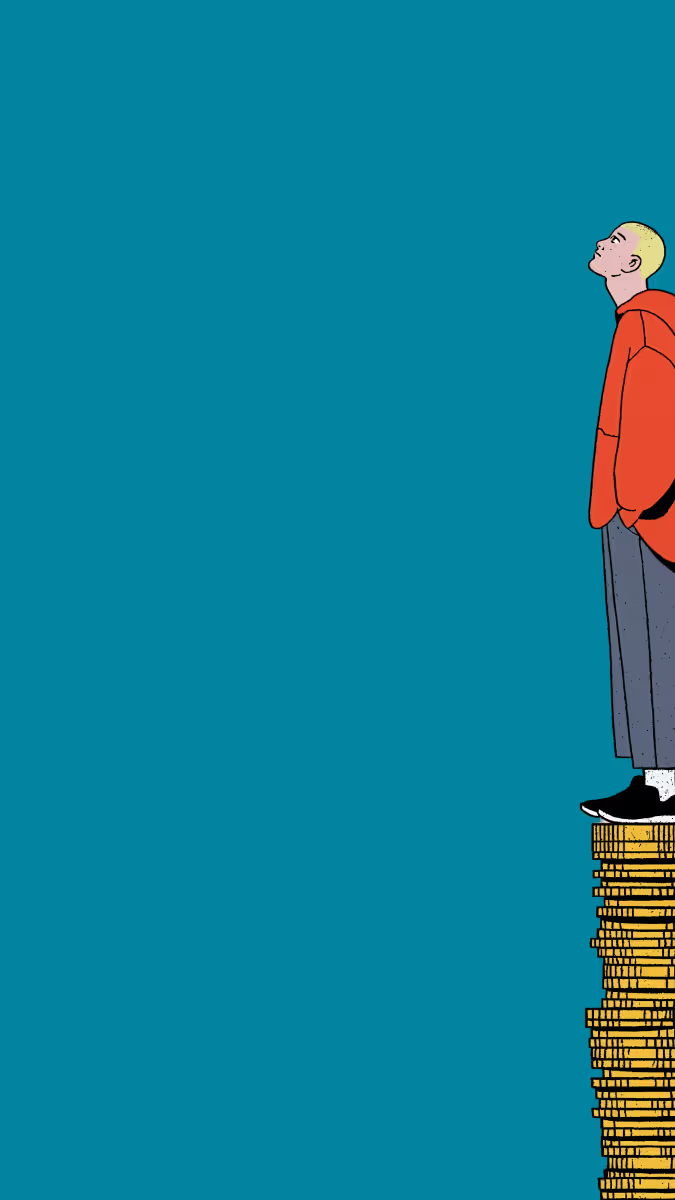
nearly
3 in 4
creators are making under $10k/year from content.
Making bank, baby
1 in 10
creators make more than $30k/year from content.
Takeaway? Stick with the side hustle to supplement traditional income, or start treating your work like a real business to see real results.
how? let's get into it
how do creators make money?
Here’s the breakdown.
it’s
on the house?
Platform payouts are the #1 income source for creators
🏦
🤝
🔗
🛍️
💳
📚
Top income sources for creators,
% of all respondents

remember: successful creators treat their work as
a business.
Everything from money to content creation. Which brings us to: The Engagement Gap.
the engage-ment
gap
Scrolling has become a passive pastime: audiences are glued to their screens for hours, but not engaging with the content flowing past their eyeballs.
There’s a huge gap between the amount of
content produced and the amount
of interaction happening with it.
Creators hit a tipping point where their inbox feels overwhelming to manage — and every missed message is a missed opportunity for connection.
creators say their DMs stay busy every week, receiving up
to 100 DMs
a week in the inbox of an Instagram creator
How many DMs do you receive in a typical week?
% of all respondents
The apathy in interactions translates into expectations.
83%
of social media users don’t expect creators to reply to comments/DMs.
That’s a huge opportunity for creators who ARE replying; it shows audiences that you truly want to build connections and community.
Trust is the most important thing a creator can build with their audience. Break that and they’re gone.
Top 5 reasons why users follow, % of total answers
the reasons people hit “follow”
...and why they leave.
Top 5 reasons why users unfollow, % of total answers
That lack
of audience engagement can take a real toll on creators — and lead to burnout.
burnt out logged on
51%
of creators have considered quitting in the last 12 months. Gen Zer's were the highest to consider quitting, with 55% of Gen Z creators contemplating this.
You can log off, but you can never really leave. Not when being an online presence is your entire career.
And if the mental toll of being always online and always on has made you think of quitting?
you're
not alone.
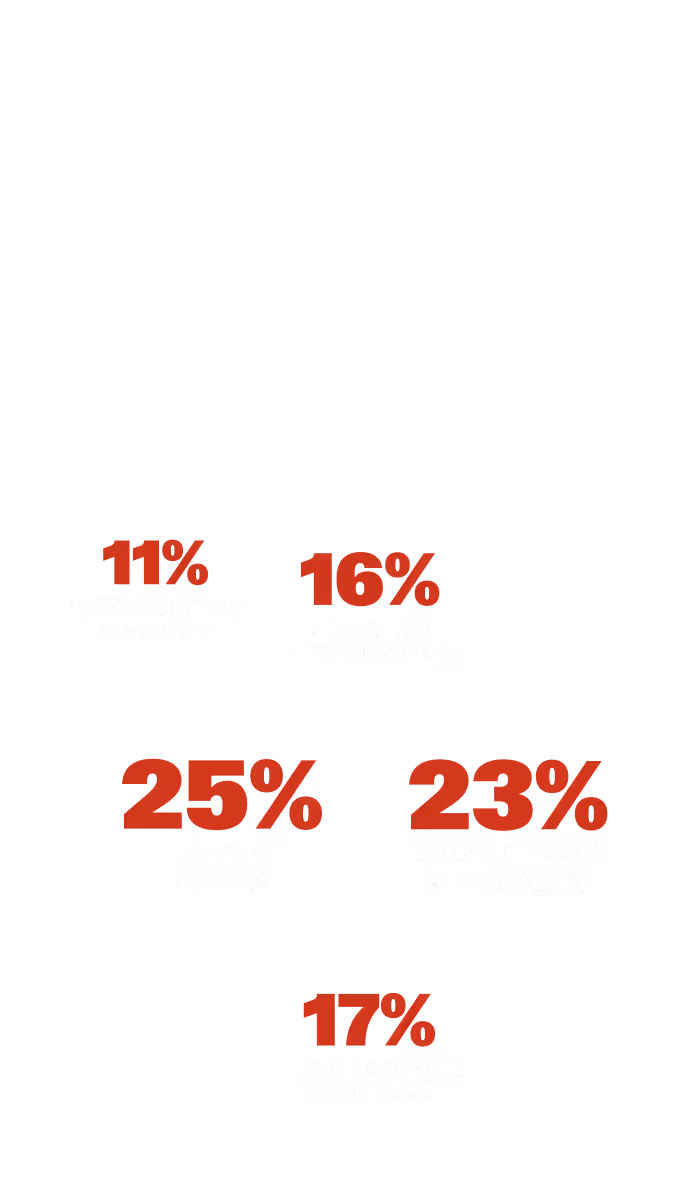
but what were the reasons?
Among those who considered quitting, this is why.

being a creator is a very real job; it’s just not a predictable or stable one.
But what is, these days?
While there’s no magic cure to burnout, building trust with your audience means they’re more likely to stick around through those times you need to log out and touch grass.
here’s where everyone’s
head is at.
the scrolling state
of mind
If your screentime report scares you, you’re not alone. Our survey found that 82% of users spend at least 1 hour a day on social, and 44% spend 3+ hours a day scrolling, swiping, and…shopping.
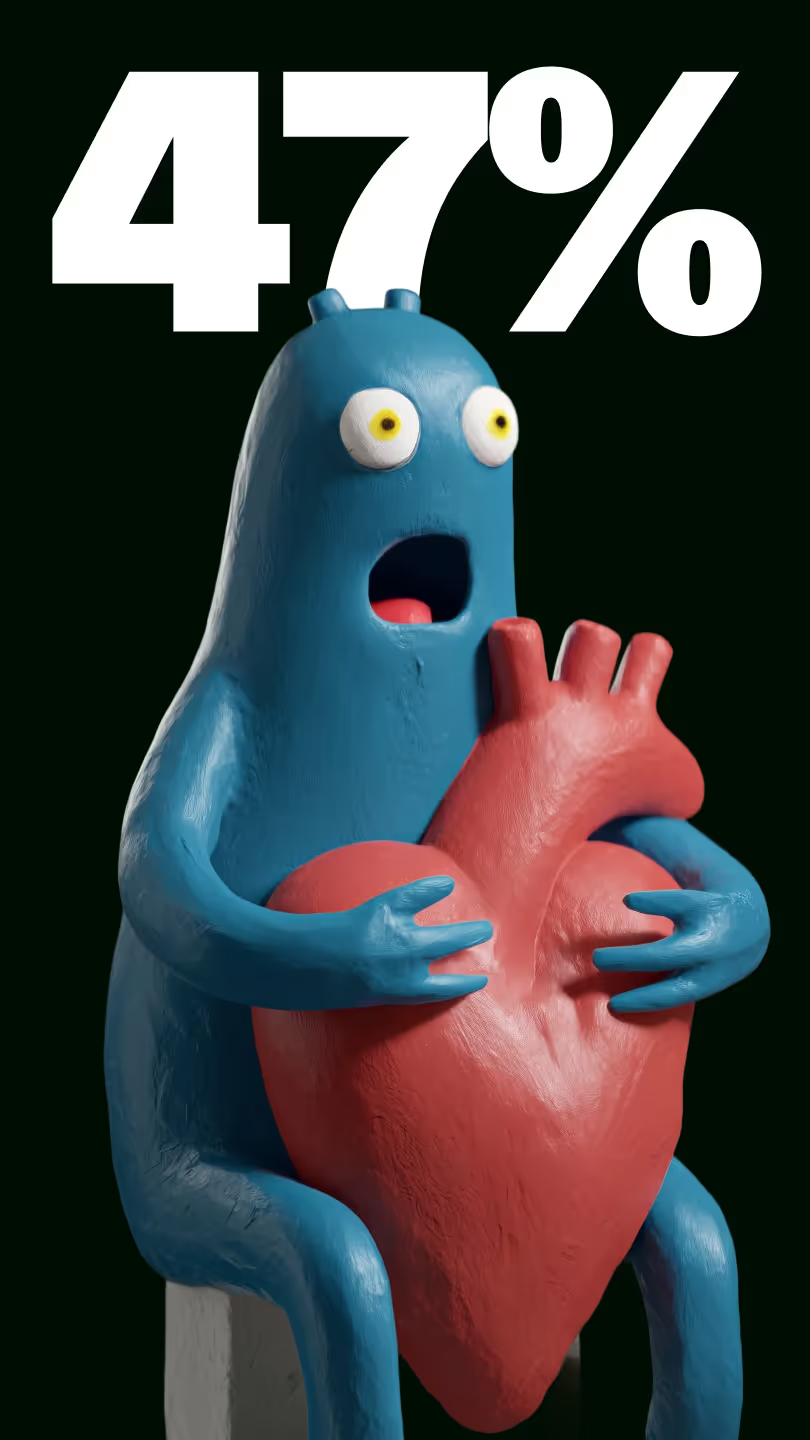
of social media users have bought something because a creator
recommended it.
But all that scrolling comes at a cost…and we’re not just talking money.
1 in 4
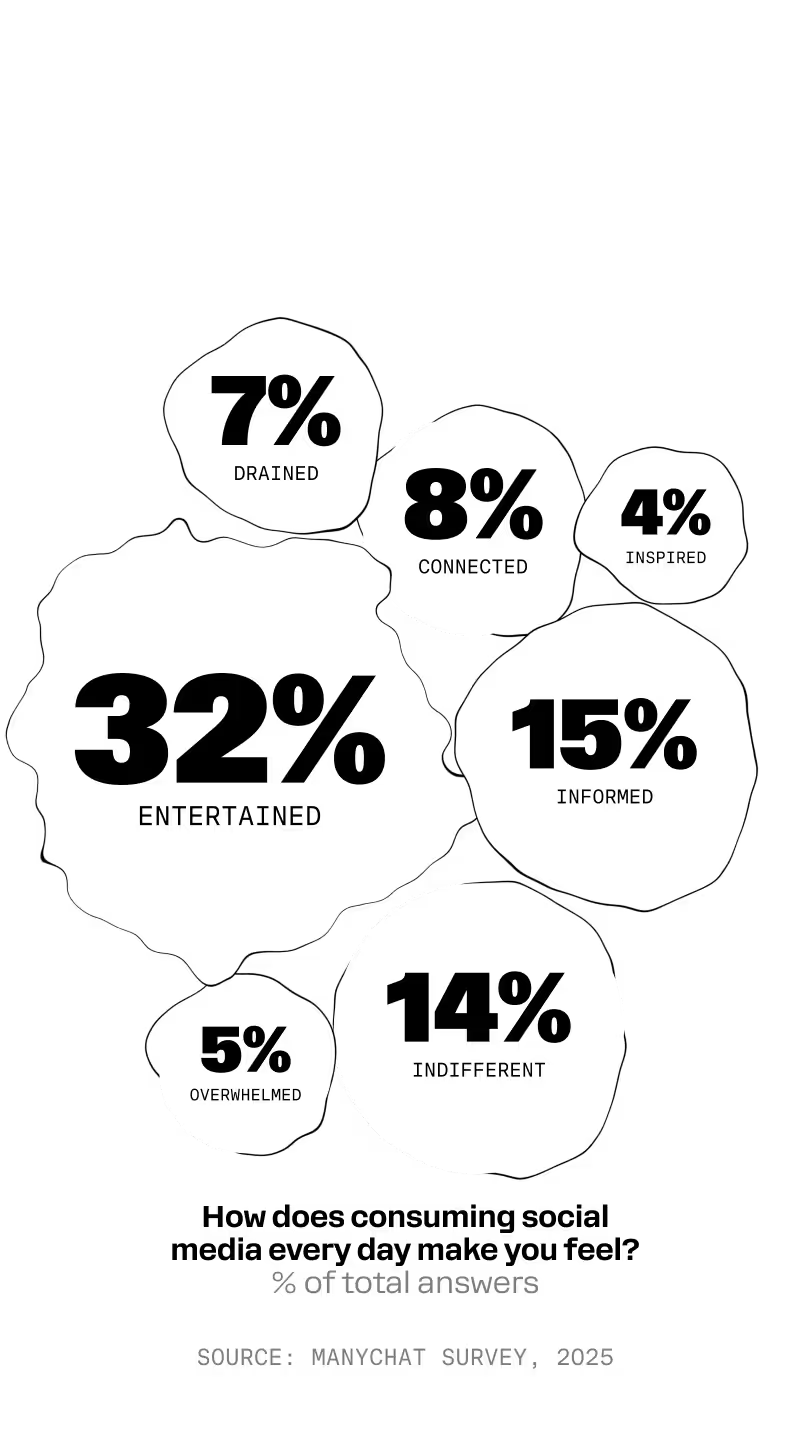
reported feeling negatively (drained or overwhelmed) or apathetic after scrolling through their feeds.
emotional toll of the scroll

And some of them have discovered the remedy of touching grass — a little over a third, in fact. More than that would like to, but feel like they can’t because of work or because the call of the social media siren is simply too strong.
36%
of people have taken a break from social media because of overwhelm

1/10
people want to take a break, but feel they can’t (it's too hard or because of their job)
Make the time you spend logged on count: give your audience what they want.
And great news!
We know exactly what that is because we asked them.
what social users really want from creators

With trust at risk and attention fleeting, what actually drives connection now? We asked social media users to find out.
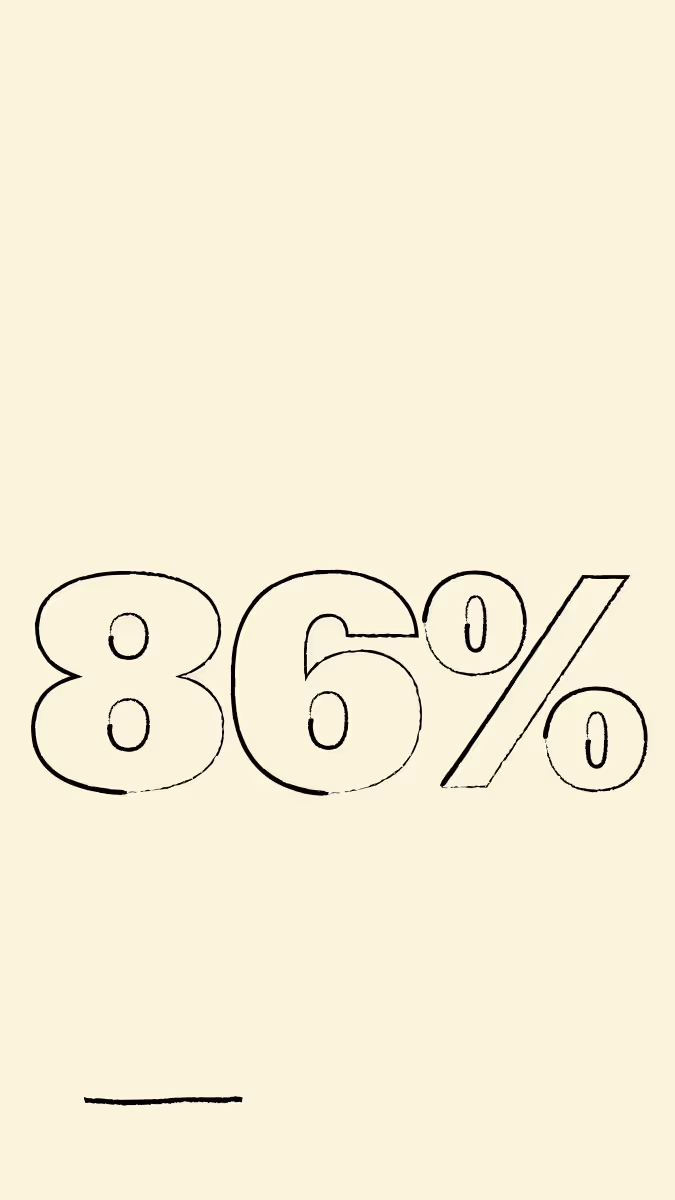
we all crave authenticity.
Yet
of social media users have said they feel some creators are
less authentic now.
scrolling, but make it useful.
What do you wish
more creators would do?
% of total answers
audiences aren’t only seeking entertain-ment when they scroll;
they want to learn and make real connections with creators and with the community that surrounds those creators.

Younger audiences tend to search on social to learn something new or find information they’re seeking, so it makes sense that over half of our respondents wish more creators would teach them something useful.
what do they NOT want to see?
We also asked them what gives them “the ick” and makes them swipe away — or even hit unfollow.
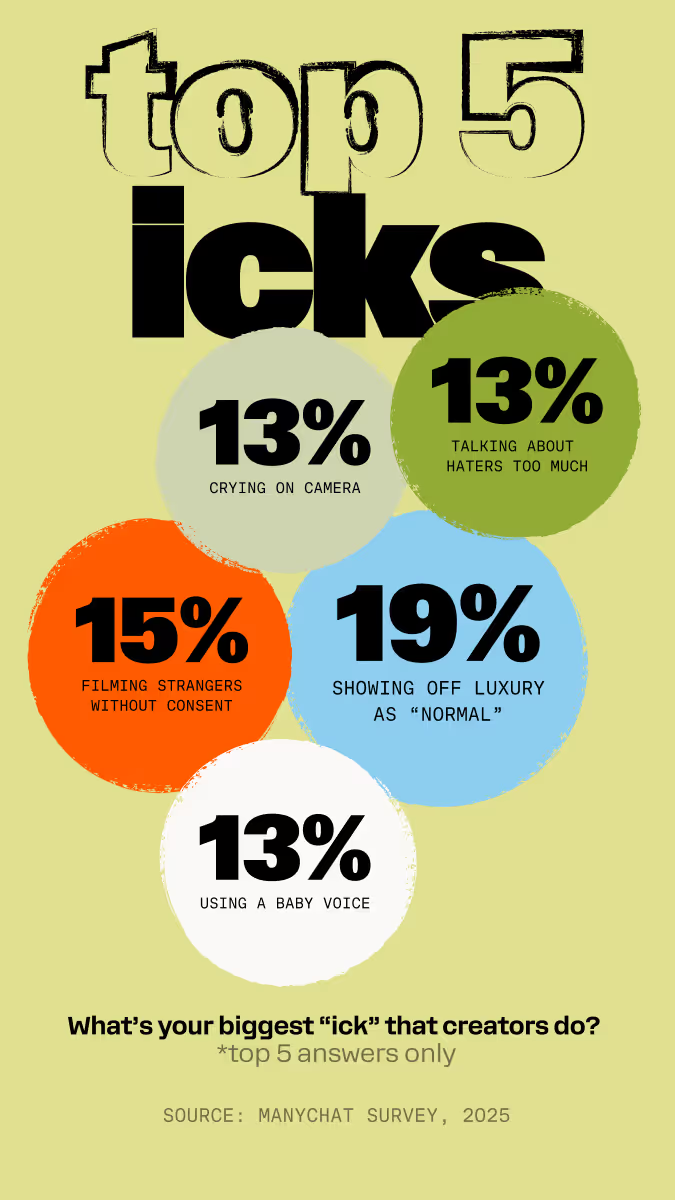
What instantly makes you stop watching a video?
% of total answers
thank you, next
So basically, here are some good things to keep in mind for those in the scroll:
providing value is the #1 driver of follows and long-term loyalty.

be real, not
perfect

would it be a 2026 report if we didn’t talk about AI?
When we asked creators about challenges going into 2026, “Competing with AI-generated content” tops the list as #1.
41% of scrollers say they wouldn’t support a creator going 100% AI

But it’s not that they don’t want AI…they have made it clear that they want good content above all else.

3 in 5 social users say having entertaining or quality content is more important to them than using AI
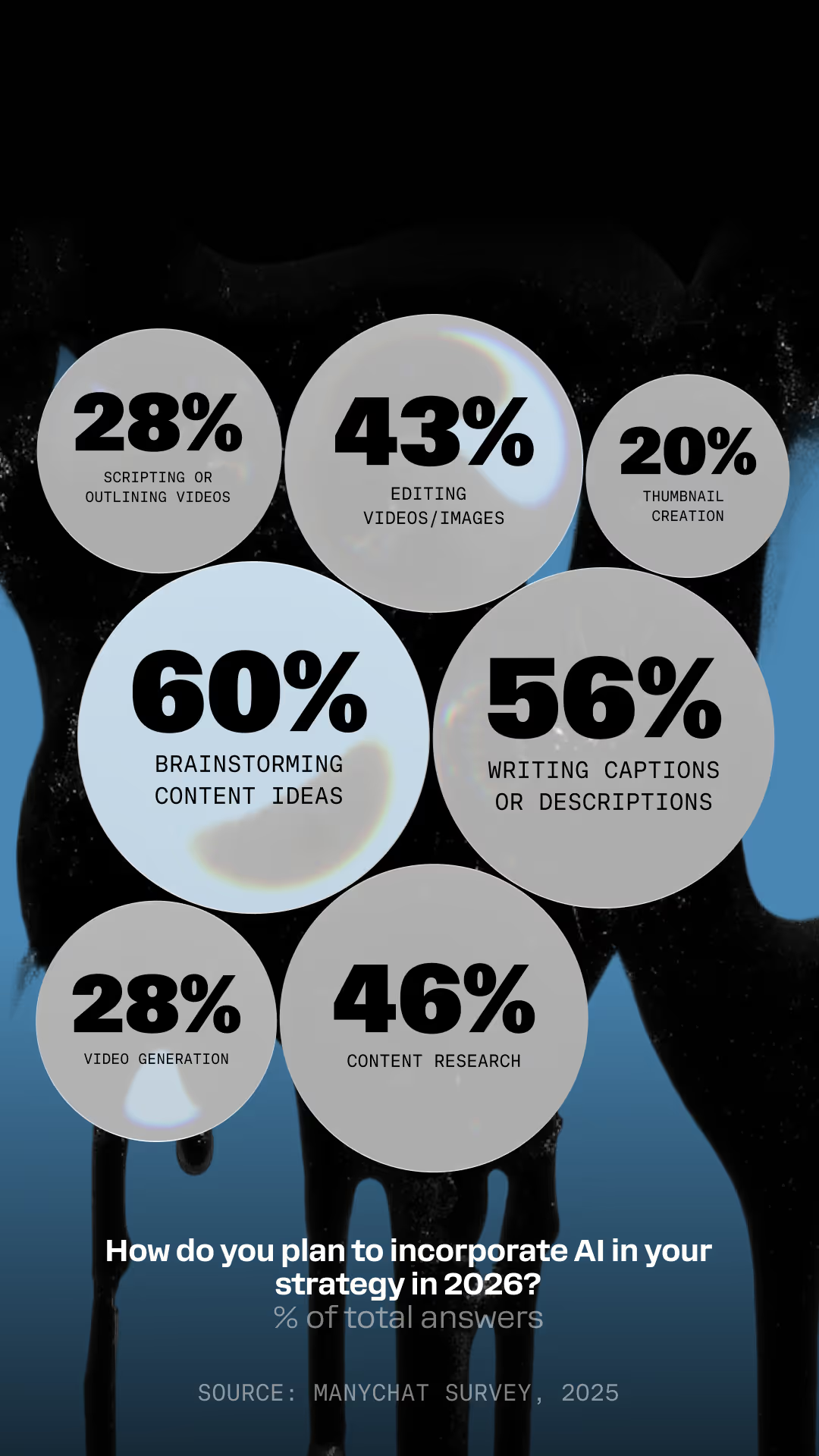
So AI isn’t off the table for creators…in fact, many are still embracing it in other ways.

Thanks for reading!
We appreciate your time, attention, and scrolling fingers.
Find more from us on our blog, or check out our mag, Chronically Online.
(Nerds, you can find the methodology and more on the next slide.)
Methodology
(For the nerds)
To explore the relationship between content creators and their audiences, we anonymously surveyed 2,028 individuals globally: 1,000 self-identified content creators and 1,028 daily social media consumers.
“Creators” in this context refers to individuals who identify as actively publishing content on social platforms like Instagram, TikTok, or YouTube. We categorized creators into four tiers based on follower count: Just Starting Out (fewer than 2,000 followers), Nano (2,000–9,999), Micro (10,000–49,999), and Established Creators (50,000+).
This combined sample provides a 95 percent confidence level with a margin of error of approximately 2 percent. As with all self-reported research, responses may reflect personal perceptions or biases and may not always align with actual behavior or performance.
Methodology
Feeling
share-y?
Feel free to! (In fact, we’d LOVE for you to share!)
All we ask is that you share a link to this page so that your audience can easily access the data for themselves.
For social, if you use #Manychat2026Report, we may pop into your notifications.
Need some more data? Or infographics?
Need anything else?
Just reach out to press@manychat.com
(We promise this goes to a real person! Her name is Mady, she’s our PR gal…we promise she won’t mind!)